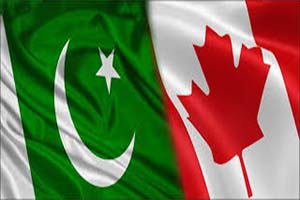
GM Canola Trade, Pakistan – Canada Agreement
Pakistan and Canada have settled to intensify and sustain cooperation objected at executing the trade of genetically modified Canola more profitable and dynamic. In recent discussions, representatives from both countries reviewed numerous administrative slackening caused by product classification procedures and committed to refining the rules that govern cross-border movement. Pakistan is advancing digital monitoring system to improve openness and create simpler steps for businesses involved in overseas commerce. Another major focus is developing stronger institutional abilities to address scientific evaluations, safety standards, and related responsibilities. Canadian officials welcomed Pakistan’s ongoing reforms and emphasized their country’s interest in expanding collaboration across farming, nutrition-linked industries, and additional fields that support economic growth. Both sides expressed confidence that sustained dialogue and practical reforms would encourage smoother exchanges, support producers, and reinforce long-term ties between the two partners. All efforts are to generate broader opportunities and strengthen economic resilience for both countries in the future.
|
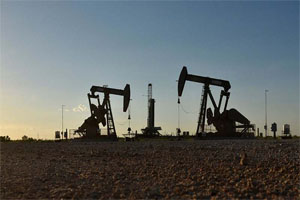
Oil and Gas Discovery at Nashpa Block – Khyber Pakhtunkhwa
Oil and Gas Development Company Limited (OGDCL) has reported an oil and gas find at the Baragzai X-01 (Slant) exploratory well in the Nashpa Block of Kohat district, Khyber-Pakhtunkhwa. Operated by OGDCL in collaboration with its joint venture partners, the well was spudded on December 24, 2024, and drilled to a depth of 5,170 meters within the Kingriali Formation. The well is currently yielding 2,280 barrels of oil per day and 5.6 million standard cubic feet of gas per day, marking the first hydrocarbon discovery from this formation in the region. The achievement highlights substantial potential for additional exploration in the area, supporting efforts to reduce Pakistan’s energy supply–demand gap through locally sourced resources. The discovery is also expected to enhance national hydrocarbon reserves and play a meaningful role in strengthening the country’s overall energy sector.
|
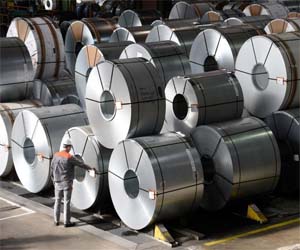
Pakistan’s Iron and Steel Scrap Imports Reach Four-Year Peak
Pakistan’s iron and steel scrap imports have reached their highest level since November 2021, indicating renewed strength in the country’s construction and steel sectors. According to data released by Topline Securities, scrap arrivals rose to 381,991 metric tons in October 2025, nearing the previous peak of 464,415 tons recorded four years earlier. The brokerage noted that the upward trend mirrors expanding building activity across the country. Analysts add that the recovery corresponds with improving economic sentiment, supported by government development projects and a steady rise in private construction. Large-Scale Manufacturing has also shown progress, posting 4.08% growth in the first quarter of FY26, while production in September increased 2.69% compared to last year. Meanwhile, the Scrap Importers Association recently dismissed claims from some steel sector groups alleging that importers were bringing scrap from Iran through land routes. Association President urged national authorities to investigate what is described as attempts to disrupt lawful trade in Baluchistan.
|
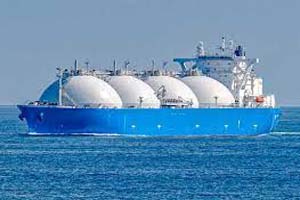
Pakistan Set to Export Excess Liquefied Natural Gas
Pakistan will begin exporting surplus liquefied natural gas (LNG) to international markets from January 1 to ease pressure on the gas sector and contain rising circular debt. Pakistan has long-term LNG supply arrangements with Qatar and ENI, but reduced use of imported gas in power generation over recent months has created a surplus that is being diverted to domestic consumers. This practice has contributed to an estimated loss of around Rs1,000 billion since 2018-19. From January 1, surplus LNG volumes would be sold abroad to reduce the financial burden on the gas system and limit further losses. The government is working to reduce reliance on imported oil and gas, pointing to upcoming cooperation with Azerbaijan and the expected opening of a Turkish petroleum company’s office in Islamabad, which would create new employment opportunities. The government is seeking to control inflation, reduce fiscal deficits, and increase exports, while creating dignified employment opportunities for young people.
|

Development Modern Bulk Handling Facility at Karachi Port
AD Ports Group has revealed a new strategic collaboration between Karachi Gateway Terminal Multipurpose Limited (KGTML), a Noatum Ports entity, and Louis Dreyfus Company Pakistan (LDC). The partnership centers on creating and operating a modern clean bulk handling and storage complex for agricultural products at Karachi Port. The Investment and Infrastructure Utilization Agreement was signed in Abu Dhabi by the CEO of Noatum Ports and LDC’s regional head for South and Southeast Asia, in the presence of senior executives from both organizations. Under the plan, KGTML will fund the design and development of a high-efficiency, food-grade bulk terminal equipped with an advanced conveyor and handling setup, supported by essential infrastructure and utilities that meet global standards. LDC will supply steady volumes of agricultural cargo to ensure optimal use of the facility. Both sides emphasized their goal of strengthening agricultural logistics and improving Pakistan’s integration with international supply chains. The project aims to shorten handling times, enhance food safety, and increase the sector’s overall resilience.
|
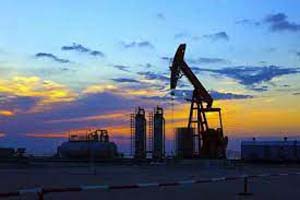
Pakistan Signs Five Agreements for Oil and Gas Exploration Blocks
Pakistan has signed five new agreements to boost oil and gas exploration, covering three offshore and two onshore blocks, as part of efforts to strengthen domestic energy resources. The accords, concluded on December 2, 2025, involve Mari Energies Limited working with a mix of local and foreign partners, including TPOC, OGDCL, PPL, Prime International, GHPL and Fatima Petroleum. The Eastern Offshore Indus-C Block will be led by TPOC, with Mari Energies, PPL and OGDCL joining as partners. Mari Energies will take charge of the Offshore Deep C and Offshore Deep F Blocks, where TPOC and Fatima Petroleum are participating firms. It will also run the onshore Ziarat North Block alongside TPOC, PPL, OGDCL, and GHPL. Meanwhile, the Sukhpur-II Block will be overseen by Prime, with Mari Energies, TPOC and OGDCL as stakeholders. OGDCL confirmed its involvement in the Eastern Offshore Indus-C, Ziarat North and Sukhpur-II Blocks.
|
World Bank Official Flags Risk to 70% of Pakistan’s Exports
Over 70% of Pakistan’s merchandise exports are at risk of losing access to international markets unless domestic companies improve adherence to evolving global standards, particularly in product traceability and enhanced labor reporting. While the National Tariff Policy represents a positive initiative, experts highlight that export growth must underpin the broader economic strategy. Despite macroeconomic stabilization efforts, exports as a proportion of GDP continue to decline, even though Pakistan’s potential is estimated at around 26% of GDP, roughly $60 billion. Achieving compliance remains challenging due to a large informal sector, low tax registration, and limited digital literacy among farmers, leaving the country ill-prepared to meet traceability requirements demanded by major buyers. Furthermore, complex and frequently changing tariffs have deterred long-term investment, with trade taxes historically accounting for up to 43% of federal revenue. Pakistan’s export challenges are structural: limited participation in global value chains, concentration in textiles, cereals, and cotton, reliance on a few key markets, and trade agreements focused primarily on tariff cuts rather than technology transfer or investment facilitation.
|
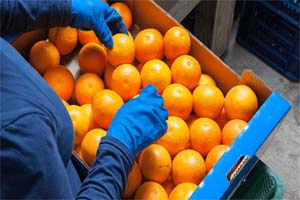
Pakistan’s Citrus Export 2025
Pakistan has begun its latest kinnow export campaign, sending about 6,000 tons abroad since December 1 to buyers in the Middle East, Sri Lanka and the Philippines. Exporters aim to ship 300,000 tons this season, with anticipated receipts of roughly $110 million, surpassing last year’s $95 million from 250,000 tons. Growers expect a strong harvest of around 2.7 million tons, a rise from 1.7 million tons previously, though overseas sales still lag the 550,000-ton level achieved five years ago. Industry stakeholders have presented phased policy suggestions, forecasting potential revenue of $400 million within five years if modern varieties are introduced, and broad reforms take hold. They urge authorities to bring in superior planting material from Egypt, the United States, Morocco and China, and promote water-efficient citrus such as lemon, grapefruit, orange and mandarin to meet global demand. Persistent gaps in research, outdated germplasm and weak climate-resilient investment continue to hinder competitiveness, making varietal renewal vital.
|
|
© 2025 Alpine Marine Services Private Limited
all rights reserved
|
|
|