
Pakistan’s Olive Value Chain Expansion
Pakistan has registered 144 olive startups under a decade-long government initiative aimed at formalizing and expanding the national olive sector, now one of the Pakistan’s fastest-growing agro-industries. The initiative originated as a pilot project with support from the Government of Italy, which established the technical foundation for the current growth phase. Continued government backing has been critical in transforming olive cultivation into a commercially viable agro-industry, while Italian assistance now remains limited and technical in nature. Olive cultivation has expanded nationwide, increasing pressure on extension services. The Ministry of National Food Security and Research is pursuing Pakistan’s full membership in the International Olive Council, with a decision expected within three months. Reliance on imported olive plants has ended, as certified plants are now produced locally, strengthening domestic capacity. A decline in olive oil imports between 2019 and 2025 reflects rising consumer confidence in local products. Nonetheless, challenges persist in bottling, packaging, labelling, and certification. Efforts are underway to strengthen quality infrastructure through accredited laboratories and ISO-certified facilities, while untapped opportunities exist beyond oil, including pomace products, pellets, and nutraceuticals.
|

National Logistics Cell to Enter Shipping Sector
A high priority strategic plan has been formulated to revitalize and strengthen the Pakistan National Shipping Corporation, decision to induct the National Logistics Cell (NLC) into the shipping sector. As part of this initiative, a milestone has been achieved with the divestment of a 30 percent equity stake in PNSC to National Logistics Cell. While the final timeline for the transfer of management control is yet to be finalized, the transaction signals a potential shift in operational leadership. The acquiring entity brings prior experience in maritime vessel operations, with NLC expected to play a key role in enhancing shipping and logistics capabilities to support national cargo requirements through 2030. The development aligns with PNSC’s broader vision for fleet expansion and business transformation, with plans to grow its operational fleet from 10 to 54 vessels over the next five years. By expanding domestic shipping capacity and integrating logistics infrastructure, the government objects to reduce reliance on foreign carriers, strengthen trade logistics, and alleviate pressure on foreign exchange reserves over the medium to long term.
|
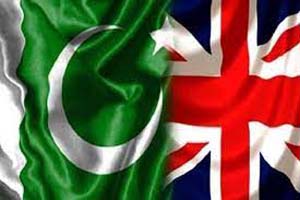
The UK–Pakistan Green Compact
The UK–Pakistan Green Compact, a £35 million climate partnership has been launched between Pakistan and UK. The green compact, signed in Islamabad by Pakistan’s Federal Minister for Climate Change and UK Minister for International Development. From policy discussion to bilateral cooperation, the framework aims to strengthen climate resilience, accelerate the clean energy transition, and expand nature-based solutions, particularly mangrove restoration. The Compact is structured around five pillars: climate finance and investment, clean energy, nature-based solutions, innovation and youth empowerment, and adaptation and resilience. Compact aims to mobilize public and private climate finance, improve green investment regulations, and develop bankable climate projects. Expanding solar and wind energy is central to reducing reliance on fossil fuels and stabilizing energy costs. Large-scale mangrove restoration to protect coastal communities while supporting biodiversity and carbon sequestration. Youth-led innovation, early-warning systems, and community preparedness are also prioritized. Sustained implementation over the next decade for Pakistan to meet its climate targets, building on the UK’s long-standing development partnership while deepening private-sector and academic collaboration.
|
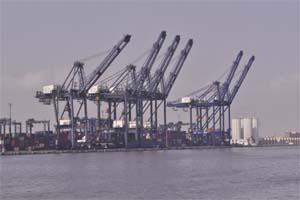
Naval Research Institute Encourages Businesses to Explore Maritime Investment Opportunities
Highlighting Pakistan’s momentous yet underutilized maritime potential, the Commander Logistics and Director-General of the Naval Research and Development Institute (NRDI) encouraged the business community to actively explore opportunities in shipping, shipbuilding, offshore resources, maritime technology, logistics and coastal development. The maritime domain serves as a vital avenue for economic expansion, investment, and technological progress. Supported by a long coastline, an expanded exclusive economic zone, developing shipbuilding capabilities and evolving policy frameworks, the sector’s advancement depends on strong public–private collaboration, local innovation and private-sector leadership. Pakistan has successfully extended its maritime economic boundary to 350 nautical miles under UNCLOS, enhancing access to offshore oil, gas, minerals and seabed resources. These assets can be developed through domestic expertise, strategic partnerships, or international cooperation. To support growth, initiatives are engaging industry stakeholders, while the Pakistan Navy’s indigenization plan enables local firms to participate in maritime and defense manufacturing. Parallel investments in shipyards, ports, and security infrastructure aim to ensure a stable, investor-friendly maritime environment.
|

88 LNG Cargoes from Qatar Lined Up for Pakistan in 2026
Pakistan is set to import 88 LNG cargoes in 2026 under the Annual Delivery Plan with Qatar, with 24 cargoes slated for diversion to international markets under the Net Proceeds Differential (NPD) clause. January deliveries include 11 cargoes from Qatar and one from ENI, followed by eight Qatari cargoes in February. Diversion of NPD cargoes will run from March through December, with Qatar diverting one cargo in March, four in April, two in May, one in June, three in July, two in August, four in September, three in October, three in November, and one in December. In addition, 11 ENI cargoes, one per month from February to December, will be diverted under a profit-loss sharing agreement with Pakistan LNG Limited. Total diversions in 2026 are expected to reach 35 cargoes valued over $1 billion. Despite this, Pakistan will retain 13 surplus cargoes due to declining gas demand, while fulfilling long-term commitments of 120 cargoes annually amid slow GDP growth and high industrial costs.
|
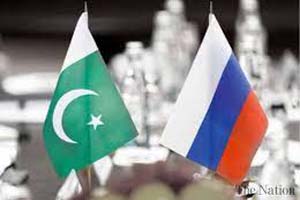
Russia and Pakistan Potential Oil-sector Agreement
Russia and Pakistan are holding talks on a possible agreement in the oil sector, with discussions including the upgrade of a refinery in Pakistan involving Russian companies. Both sides are also exploring broader cooperation in energy exploration, production and refining, alongside commitments to expand collaboration in trade and regional connectivity. A key proposal under discussion is the development of a trade corridor linking Russia with Central Asia, Afghanistan and Pakistan, an area where Moscow has significant expertise. These issues are currently being reviewed by the energy ministries of both countries. Pakistan has increased engagement with Russia in recent years as Moscow sought alternative energy markets following Western sanctions related to Ukraine, while Islamabad aimed to reduce its energy import costs. Pakistan began importing Russian crude oil in 2023, marking a significant step in bilateral energy ties. Refinery development and deeper energy-sector collaboration remain central to ongoing talks. Pakistan has framed its Russia-focused engagement as commercially motivated rather than geopolitical, reflecting its broader strategy of pursuing issue-based partnerships in an increasingly fragmented global energy market.
|
Pakistan Expands Energy Portfolio through U.S. Crude Imports
Pakistan has imported 4 million barrels of US crude oil, valued at approximately $300 million, as part of efforts to strengthen energy security and diversify supply sources. The imports were arranged by Cnergyico Pakistan Limited, the country’s largest private-sector oil refinery, which secured four cargoes of US-origin crude under a strategic procurement plan. Two shipments arrived in November 2025 and have already been successfully processed at the refinery. A third cargo is currently en route and is expected to reach Pakistan by January 11, 2026, while the fourth shipment is scheduled for arrival by February 10, 2026. Together, the four cargoes account for the full 4 million barrels. Refinery plans to refine only low-sulfur crude grades, including West Texas Intermediate (WTI) and Nigeria’s Bonny Light, aligning with both cost efficiency and environmental standards. The move highlights a broader shift in Pakistan’s crude import strategy, as rising premiums on Middle Eastern grades and increasing emphasis on cleaner fuels encourage greater sourcing from alternative suppliers.
|
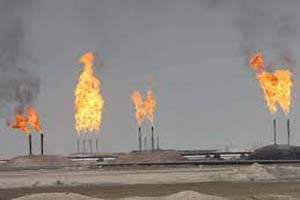
Hydrocarbon Discovery at LAL X-1 Well in Sindh
Significant hydrocarbon discovery from exploratory well LAL X-1, situated in the Kashmore district of Sindh announced by Pakistan Petroleum Limited (PPL). The first unconventional gas finds from the Lower Alabaster Formation in the Kandhkot Development and Production Lease (D&PL), The unconventional gas was found trapped in tight rock formations, such as shale or sandstone, requiring advanced extraction techniques like hydraulic fracturing (fracking) and horizontal drilling. The LAL X-1 well, spudded on June 30, 2025, reached a depth of 1,408 meters to assess the hydrocarbon potential of interbedded limestone beds within the Lower Alabaster Formation. During post-completion testing, the well flowed at a rate of 0.138 MMscfd gas at a wellhead flowing pressure of 33 psig with a 64/64” choke. The commercial viability of the find will be determined through post-well analysis and further exploration. PPL holds a 100% working interest.
|
Wheat Market Pricing to Be Determined by International Trends
From the next season, Pakistan’s Ministry of National Food Security will determine wheat prices, using global market benchmarks rather than government-set rates. The wheat support price, previously a guaranteed minimum at which the government purchased wheat from farmers, is being phased out under an agreement with the IMF, which has prohibited the federal government from fixing such prices. As a result, wheat prices will now align with international market trends. While the support price was intended to shield farmers from price volatility, ensure stable incomes, encourage production and safeguard food security through public reserves, the new system shifts responsibility to the private sector. Procurement of strategic wheat reserves will be handled by private companies instead of the federal government, while federal and provincial authorities will maintain only emergency stocks. Private firms will manage purchasing, financing, and storage, with government paying service charges. The government estimates annual savings of Rs570 billion under the new framework, and the Ministry of National Food Security has allocated Rs30 billion to cover service-related costs.
|
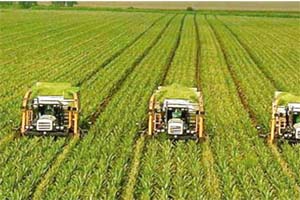
GMO Maize Technology to Improve Agricultural Yields and Exports
The federal government is weighing the phased and carefully regulated introduction of genetically modified (GMO) maize to boost agricultural productivity and improve export competitiveness. Pakistan currently exports maize worth about $340 million each year, and the adoption of GMO technology could raise yields by an estimated 15 to 20 maunds per acre. Officials believe modern biotechnology, including both GMO and non-GMO maize policies, could help tackle low yields, climate-related stress and growing food demand while remaining aligned with national biosafety standards. Any move toward GMO crops would be implemented strictly under Pakistan’s Biosafety Rules, 2005, which govern the research, import, export and commercial use of genetically modified organisms, with a strong focus on human health and environmental protection. The Ministry of National Food Security and Research is also developing a broader biotechnology policy that would cover other crops, offer regulatory clarity and safeguard the interests of investors, exporters and consumers. Stakeholders have agreed on continued consultations and evidence-based policymaking to support the gradual adoption of advanced agricultural technologies without disrupting existing markets.
|
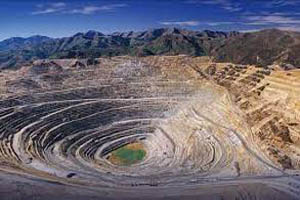
Enhanced Australia–Pakistan Cooperation in the Mining Sector
Pakistan is positioning to deepen economic engagement with Australia by expanding bilateral trade and investment across priority sectors. Agriculture and livestock are being highlighted as high-potential areas, where collaboration can enhance productivity, value chains, and market access using advanced Australian expertise and technology. Alongside this, Australia’s growing interest in Pakistan’s mining industry signals confidence in the country’s resource potential. The Reko Diq copper and gold project represents a flagship opportunity with strong commercial viability and long-term strategic value for both countries. These initiatives are positive momentum in Pakistan–Australia relations, underpinned by a shared focus on economic cooperation and sustainable growth. By promoting opportunities in mining, agribusiness, and trade, Pakistan is reinforcing commitment to creating a stable, investment-friendly environment. Pakistan is open for business and keen to attract Australian capital, partnerships, and expertise to drive mutual economic gains and strengthen long-term bilateral ties.
|
|
© 2026 Alpine Marine Services Private Limited
all rights reserved
|
|
|