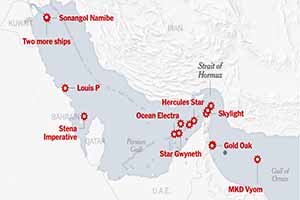
Strait of Hormuz Trade Regulations
A key parliamentary committee in Iran has approved a proposed toll plan for vessels transiting the strategically vital Strait of Hormuz, signaling potential changes to maritime regulations in the region. The measure, cleared by the National Security Commission, introduces financial provisions requiring ships to pay transit fees in Iran’s national currency, the rial. The draft legislation also outlines restrictions on vessels linked to the United States and Israel, barring them from passing through the waterway. Additionally, it proposes denying access to ships from countries participating in unilateral sanctions against Iran. The bill must still pass a full parliamentary vote, followed by review from the Guardian Council and final approval by the president before becoming law, leaving its ultimate impact on global shipping uncertain
|
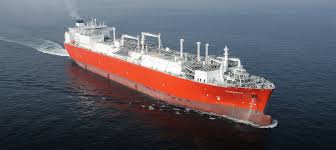
Pakistani Ships to Transport Diesel, Jet Fuel from Kuwait Via Strait of Hormuz
Kuwait Petroleum Corporation has resumed supplying petroleum products to Pakistan under an agreement with Pakistan State Oil, following recent maritime developments in the region. The arrangement comes after Iran allowed 20 Pakistani-flagged vessels to transit the strategically important Strait of Hormuz. Oil shipments had previously been disrupted when Iran restricted access to the strait amid tensions involving the United States and Israel. With the partial reopening, KPC has assured full support for supplying diesel and jet fuel through Pakistani vessels. Officials highlighted that Pakistan has relied on Kuwaiti petroleum imports for over five decades, reflecting a longstanding partnership. The latest development underscores continued energy cooperation and the importance of stable maritime routes for sustaining bilateral trade and regional energy security.
|

Saudi Oil Exports to Pakistan – Strait of Hormuz Shipping Activity
A cargo of approximately 650,000 barrels of Saudi crude oil has reached Pakistan aboard the tanker P. Aliki after transiting the strategically vital Strait of Hormuz, as limited shipping activity continues amid regional tensions. The shipment is among a small number of vessels navigating the disrupted route. Recent data indicates that seven vessels exited the Persian Gulf on Saturday, including one crude tanker, two LPG carriers, and four bulk carriers. All followed a northern path close to Iran’s coastline, passing between Larak and Qeshm islands, reflecting tighter monitoring of maritime traffic. Shipping volumes remain below pre-conflict levels, with tracking complicated by signal disruptions and vessels disabling identification systems. Despite this, Iran-linked crude exports have continued steadily, highlighting ongoing efforts to sustain regional oil flows.
|

Rising Global Oil Prices and Pakistan
Pakistan’s economic outlook faces mounting pressure as soaring global oil prices threaten to raise the country’s import bill by $8–9 billion, driven largely by ongoing tensions in the Middle East. Crude oil rates surged from around $70 per barrel in February to approximately $145 in March, while diesel and petrol prices have also spiked, potentially doubling Pakistan’s oil import expenditure. The sharp rise in energy costs is straining the country’s external accounts, leaving limited fiscal space for the government, which is exploring demand management strategies and targeted relief measures. Currently, crude trades around $109 per barrel globally, with Dubai benchmarks at $135, pushing Pakistan’s landed cost near $145 per barrel. Further pressure may come from Russia’s temporary suspension of gasoline exports from April to July, expected to tighten global supply. To shield consumers, the government has allocated Rs125 billion in relief to stabilize domestic fuel prices, though remaining funds are expected to run out soon, highlighting the urgent need for strategic energy and fiscal planning.
|
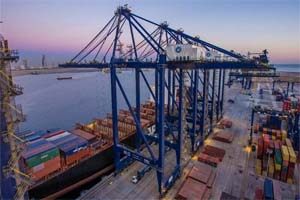
Pakistan to Handle Cargo Under International Transshipment and Transit Arrangements
Pakistan has informed Iran that it is fully prepared to manage cargo under international transshipment and transit arrangements, streamlining procedures to ensure efficient movement through the TIR framework. TIR consignments are now being processed at major ports—Gwadar Port, Karachi Port, and Port Qasim—as well as at border crossings including Sost, Taftan, and Gabd. Transshipment cargo is also being handled through off-dock facilities to further improve trade flows. Pakistan, a TIR Convention signatory since 2017, has assured Iranian diplomats that cargo movement will comply with international standards, including the UN TIR Convention and TIR Rules, 2017. The updated system allows goods to transit Pakistan enroute to Iran and Central Asian states under both transshipment and TIR frameworks, with expedited procedures ensuring timely clearance and smoother logistics for cross-border trade.
|

Gulf Conflict Disrupts Maritime Routes, Boosts Traffic at Pakistani Ports
The ongoing Gulf conflict is reshaping global shipping patterns, creating new trade opportunities for Pakistan. Escalating tensions in the Middle East have disrupted traditional maritime routes, prompting international shipping companies to reroute cargo through Pakistani ports, including Karachi Port, Port Qasim, and Gwadar Port. The partial closure of key Gulf hubs, such as Jebel Ali Port and Abu Dhabi Port, has further accelerated this diversion of maritime traffic. Global shipping firms are increasingly incorporating Pakistani ports into their logistics networks, significantly boosting local port activity. Recent trade data highlights an extraordinary surge of up to 1,400% in cargo handling and transshipment at Karachi Port, directly linked to the Gulf conflict and shifting shipping routes. Analysts say this trend presents a major opportunity for Pakistan to strengthen its position as a regional transshipment hub and capitalize on rising maritime traffic.
|

Pakistan’s E&P Sector Expansion
Pakistan’s exploration and production (E&P) sector has gained renewed momentum following significant hydrocarbon discoveries by leading firms. Mari Energies Limited announced a discovery at the Shams-1 well in Ghotki, where initial testing showed gas flows of around 48 MMCFD along with minor oil output. The find is among the most notable onshore discoveries in early 2026 and is expected to strengthen reserves and support production growth. In a related development, Oil and Gas Development Company Limited reported a gas discovery at the Sahito-1 exploratory well in the Khewari Block, Khairpur, reinforcing its exploration drive in Sindh. These developments reflect sustained drilling activity and improved success rates in Pakistan’s upstream sector. The discoveries are expected to boost domestic energy supply, strengthen investor confidence, and enhance the country’s overall energy security outlook.
|
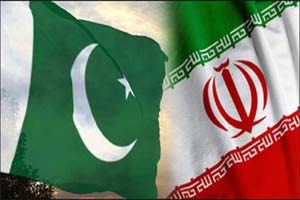
Pakistan-Iran Maritime Cooperation
Iran has approved the transit of 20 additional Pakistani-flagged vessels through the strategically vital Strait of Hormuz, introducing a structured schedule allowing two ships to pass daily. The move comes amid heightened global attention on maritime security in the Gulf, where uninterrupted shipping routes are crucial for international trade and energy supply chains. Officials view the arrangement as a significant step toward ensuring stability in one of the world’s most sensitive waterways. By facilitating a steady flow of vessels, the agreement is expected to support commercial continuity and reduce logistical uncertainties for regional shipping operations. The decision is also being interpreted as a constructive and peace-oriented gesture, reflecting growing cooperation between Iran and Pakistan. Analysts suggest it serves as a confidence-building measure, signaling both countries’ commitment to dialogue and de-escalation, particularly at a time when maintaining secure and reliable maritime corridors remains essential for global economic stability.
|
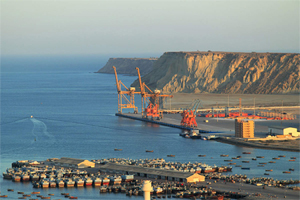
Gwadar Port’s Rising Strategic Maritime Trade Routes
Gwadar Port is rapidly emerging as a secure and strategic maritime hub, gaining recognition for its prime location and modern infrastructure. The recent berthing of the specialized vessel M/V HMO LEADER (IMO 9169811), carrying 35 pieces of transshipment cargo, marks a significant operational milestone for the port. This development highlights a growing shift among international shipping operators, who are increasingly redirecting cargo routes toward Pakistan’s southwestern coastline. Ongoing regional tensions and disruptions in traditional shipping corridors have created new opportunities for Gwadar to establish itself as a reliable transit point. Authorities are actively supporting this transition by offering incentives such as free storage for transshipment cargo, aimed at enhancing the port’s competitiveness. Gwadar Port, along with its integrated free zone, can handle up to 16,000 TEUs of containerized cargo and provides 90,000 square meters of general cargo storage, positioning it as a player in regional trade.
|
|
© 2026 Alpine Marine Services Private Limited
all rights reserved
|
|
|