
Global Oil Market Instability with Domestic Energy Resource Development
Extensive damage to energy infrastructure in the Middle East has led to the ambivalence of how expeditiously international oil and gas markets can recover. As an outcome, countries are essentially researching and testing alternative energy solutions. A comprehensive and progressive conversion to renewable energy and locally sourced resources are emerging as the most practical path forward, especially nations heavily reliant on imported energy fuel. Pakistan stands out in the transition, having expanded solar energy adoption and maintained electricity supply despite a global energy crisis. However, the country simultaneously encountered a transport challenge due to reduced availability of petrol and diesel, threatening economic stability and food security. Petroleum accounts for nearly one-third of Pakistan’s import bill, with the transport sector consuming up to 80% of it. Reducing oil dependency therefore begins with transport reforms. Expanding policies like ethanol blending and building on renewable energy gains are essential to limit Pakistan’s exposure to global oil shocks.
|
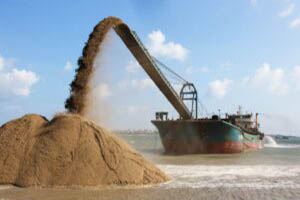
First Dredging Operation – Port Infrastructure Development in Pakistan
The Karachi Port Trust administration has declared a historical development, for the first time simultaneously four major dredging operations are commencing, and over four months are scheduled to continue. At the Karachi port, National Dredging and Marine Services has commenced its first dredging project, reflecting an advancement in maritime infrastructure. The project objects both the harbor channels (upper and lower) to deepen to 14 meters and 14 berths being proposed to increase the depth of up to 15.5 meters. On completion within an approximately defined time frame, the upgraded port will be capable of accommodating vessels up to 350 meters long, with a gross registered tonnage of 100,000. Initiatives are led to enhance navigational safety and boost cargo handling capacity to escalate trade throughput, scale down shipping costs, and revamp logistical performance, supporting Pakistan’s economic growth and strengthening its position in regional and global maritime trade.
|
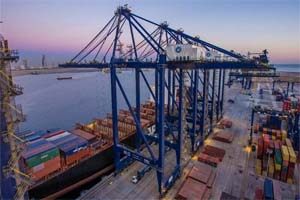
Pakistan’s Maritime Logistics and Regional Shipping Corridors
After departing from Jebel Ali, the container vessel under AP Line, MV Selen, being operated by National Logistics Corporation, arrived at Karachi Port on Sunday. Following recent disruptions in the Strait of Hormuz, it is the first Pakistan-bound container ship to dock. According to Karachi Port Trust, the arrival signals the revival of containerized trade and mirrors the development with improvement in stability in regional maritime supply chains. The successful berthing is a focal point of strong coordination among the different stakeholders like port authorities, shipping operators, and logistics to continue with control and protection of cargo flow during a challenging period. The recent development is measured as a positive indicator for import and export sector of Pakistan, results in restoring confidence in the maritime logistics system of Pakistan. Experts anticipated more vessels berthing at different port of Pakistan in the coming days will further accelerate trade operation and strengthen economic momentum.
|
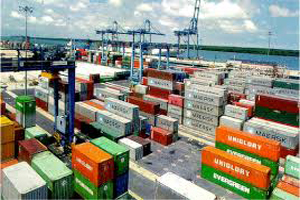
Port Congestion Management Strategies
Authorities to execute a 30-day strategy to clear container congestion at ports as directed by Ministry of Maritime Affairs, to ensure continuous and smooth domestic trade while aligning with the increased transshipment operations caused by disruptions in Gulf shipping routes. The US – Iran conflict 2026 has impacted traffic through the Strait of Hormuz forcing vessels to reroute and surging trade with energy costs. Ports in Karachi have experienced an evident surge in cargo volumes follows regional tensions linked to the US – Iran conflict 2026. The government of Pakistan objects to capitalize the opportunity while continuing intentions to modernize ports along the Arabian Sea and promote as trade gateways for the landlocked Central Asian countries. The proposal includes relocation of containers to off-dock facilities, improving cargo tracking systems, and customs to support expediting auctions of abandoned goods. To manage increased capacity efficiently and sustain long-term growth in port operations, officials emphasized adopting a forward-looking strategy.
|
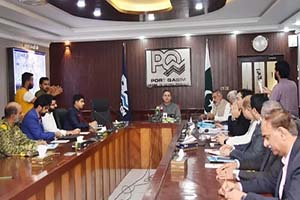
Transshipment Policy Development in Pakistan – Global Shipping Route Diversification
For the first time, Pakistan has approved the transshipment arrangements of bulk and vehicle cargo handling, distinguishing a strategic step to establish as a regional logistics hub amid shifting patterns of Middle Eastern shipping patterns. The approval follows disruptions led by tensions involving the US, Israel, and Iran, particularly affecting the Strait of Hormuz. Based on recommendations from a high-level committee formed by the Prime Minister and led by the Maritime Affairs Minister, the new framework permits handling bulk and break-bulk commodities such as grains, coal, and minerals, with introduction of Roll-on/Roll-off (Ro-Ro) operations for vehicles and permits cargo consolidation of less-than-container-load (LCL). All these measures are expected to break through port activity, attract international shipping lines, and advance role of Pakistan in global trade. The initiative objects to boost revenues with increased foreign exchange, create jobs, and bolster connectivity with Central Asian markets while upgrading port infrastructure and regulatory systems.
|
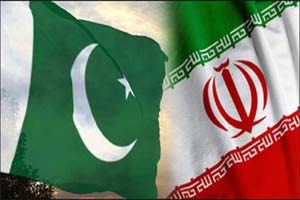
New Trade Path: Pakistan–Iran Corridor
Pakistan has initiated a new transit trade corridor through Iran by dispatching its first export shipment to Uzbekistan of frozen beef. By road, cargo was transported from Karachi, crossing the Gabd – Rimdan border, before continuing toward Tashkent. The new route caters as an alternative to traditional trade pathways through Afghanistan, due to border tensions recently have undergone repeated disruptions. By utilizing Iran as a transit corridor, Pakistan to access and strengthen in Central Asian countries and connect them with its ports, including Gwadar Port. Authorities, including customs and commerce departments, are advancing ad expanding off-dock storage with upgrading border facilities to facilitate transshipment capabilities. Supported by the International Road Transport Union, all taken measures are expected to boost trade flows, improved regional connectivity, and generate economic benefits for Pakistan and its partners.
|

Pakistan and Ethiopia Have Agreed to Explore
To strengthen trade links between Asia and Africa, Pakistan and Ethiopia have agreed to explore the creation of a trilateral maritime alliance, potentially including Djibouti. During a meeting between Pakistan’s Maritime Affairs Minister and the Ethiopian ambassador, the proposal was discussed, where strategies to expand bilateral trade and economic cooperation were reviewed by both sides. Pakistan emphasized intention to deepen maritime engagement with African nations and suggested a structured partnership involving the use of Port of Djibouti to support Ethiopia’s trade, despite its landlocked status. The alliance later be expanded to include additional countries through mutual agreement. Both parties acknowledged the need for technical consultations, with designated representatives tasked to develop operational frameworks and practical mechanisms. A formal agreement is expected once preparatory work is completed, a step toward enhanced regional connectivity and economic collaboration.
|

Urea Supply and Demand in Pakistan – Domestic Fertilizer Industry
During the Rabi 2026–27 season, Pakistan is possibly to encounter a urea shortage of up to 500,000 tons, according to projections by the Ministry of National Food Security and Research. The outlook highlights increasing demand for urea alongside uncertainties in supply related to the operational status of key producers such as Fatima Fertilizer, FFC Port Qasim, and Agritech. In a constrained scenario, limited urea production could drastically reduce available stocks, leading to negative buffer levels. Even under improved or favorable conditions, supply may remain tight. Demand is expected to grow during Kharif 2026 due to better farm economics, while a large price gap between domestic and global markets could encourage smuggling, further straining supply. Sustained operations of all domestic plants are essential to stabilize availability and prevent price hikes. The government has assumed no imports, making effective policy measures critical to ensuring adequate fertilizer supply and supporting agricultural productivity.
|

Sugar Mills Demand for Export Liberalization
The Pakistan Sugar Mills Association has proposed the government of Pakistan to allow immediate export of surplus sugar from the 2025–26 crushing season to strengthen foreign exchange reserves. Data from the Federal Board of Revenue reflects that total production has reached about 7.57 million tons and is expected to rise to nearly 7.96 million tons, including additional output in the months to come. Pakistan is likely to face a surplus exceeding 1.3 million tons, with carry-forward stocks from the previous season and projected annual consumption of around 6.64 million tons. Even after maintaining strategic reserves, a significant figure of surplus sugar will remain. Due to weak demand and declining prices, industry stakeholders have reported that managing these high inventories has become difficult. Surging sugarcane price aligns with production expenses have further squeezed margins, leading to substantial financial losses. Exporting surplus sugar is therefore seen as an opportunity to stabilize the domestic market and support the industry
|
|
© 2026 Alpine Marine Services Private Limited
all rights reserved
|
|
|