
Pakistan Moves to Strengthen Rice Exports Through Gambia MoU
To strengthen bilateral cooperation in agricultural trade, particularly in rice, the ministry of commerce needed an approval to formalize a MoU with The Gambia. To establish a government-to-government (G2G) framework for sourcing agricultural commodities, The Gambia approached to the Trading Corporation of Pakistan (TCP). TCP has initiated discussions to develop a structured cooperation mechanism under the proposed MoU. Trade Development Authority of Pakistan (TDAP) has facilitated in recent engagements and The Gambia highlighted interest in importing Pakistani rice of approximately 145,000 metric tons. The agreement will institutionalize strategic trade ties, facilitate direct state-level coordination, improve market access, and reduce reliance on intermediaries with Pakistan’s export diversification and strengthen economic engagement in African markets.
|
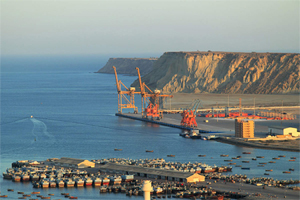
Pakistan Revamps Gwadar Tariffs to Boost Transshipment Activity
A revised tariff structure at Gwadar Port has been implemented by the government of Pakistan as an initiative to expand transshipment activity with enhance trade competitiveness. Significant reductions in key port charges include a cut in berthing fees for container vessels, a reduction in international transshipment container charges, and a decrease in transit container tariffs at 25%, 40%, and 31% respectively with 30 days of free storage for general cargo, exceeding allowances at other domestic ports. As a part of an extensive strategy, initiatives taken by the Ministry of Maritime Affairs to attract international shipping lines, increase cargo throughput, advance operational efficiency, and to position Gwadar as a competitive, investor-friendly deep-sea port and gateway for regional trade. Recent transshipment activity, including the handling of a 34,000-tonne cargo vessel bound for Gulf destinations, accentuates growing global confidence in the port’s capabilities and long-term commercial potential.
|
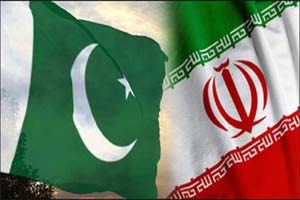
Gwadar–Chabahar Collaboration Gains Momentum
From Iran’s Chabahar Free Zone Organization a senior delegation has recently visited Gwadar, underscores developing interest in regional connectivity and reflecting efforts to strengthen economic collaboration and facilitate trade flows across the Pakistan-Iran corridor. The delegation led by Chairman Muhammad Saeed Arbabi, entered through the Gabd–Rimzan border with logistics expert, investors and representatives from trade to explore new avenues for enhancing bilateral trade and logistics cooperation between Pakistan and Iran. The Iranian delegation was formally received by Jehand Hut, President Gwadar Chamber of Commerce and Industry and visiting at the Chamber’s invitation. During the stay, the group will visit the Gwadar Free Zone, port facilities, and ongoing development projects to evaluate investment prospects and assess existing logistics infrastructure. Meetings are expected to focus on developing integrated logistics networks, expanding transit and cross-border trade, and improving operational coordination between Gwadar and Chabahar ports.
|
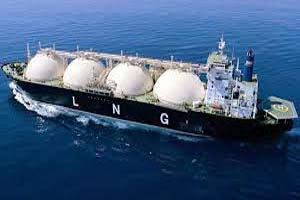
Pakistan Receives Continued LNG Supply Amid Regional Tensions
A second shipment of liquefied natural gas (LNG) has dispatched by Qatar through the Iran-controlled Strait of Hormuz to Pakistan, reinforcing ongoing energy supply flows despite regional tensions. According to ship-tracking data, the LNG carrier vessel Mihzem sailing under the Singapore flag has successfully exited the Strait and is currently enroute to Pakistan. The carrier has moved out of the Persian Gulf and is presently navigating the Gulf of Oman. Amid security concerns and disruptions affecting maritime traffic in the Strait of Hormuz, the vessel had temporarily ceased transmitting its positioning signals. The same precautionary measures have been adopted by tankers operating from Abu Dhabi National Oil Company facilities at Das Island.
|
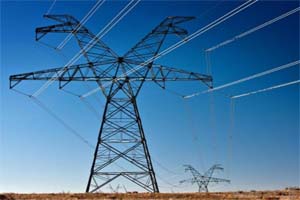
Power Sector Reforms to Deliver ₨3.5 Trillion in Savings
Awais Ahmed Khan Leghari, Federal Minister for Energy (Power Division), has announced that the government will not undertake new imported fuel-based Independent Power Producer (IPP) projects, indicating a shift toward a more sustainable energy mix. He also outlined plans to improve efficiency and transparency and to convert approximately 10 million electricity consumers to Advanced Metering Infrastructure (AMI) meters during 2026. The minister highlighted that renegotiated agreements with IPPs are projected to deliver savings of around ₨3.5 trillion over the next 10–15 years and ongoing reforms are focused on cost reduction, operational efficiency, and sector modernization, while speaking at the Lahore University of Management Sciences in a workshop. The government’s solar policy will continue to support renewable adoption while promoting investments in battery storage systems. All measures are being developed to provide electricity at lower cost to consumers both industrial and commercial during daytime hours, enhancing competitiveness.
|
Islamabad Looks to Moscow for Oil and Gas Amid Hormuz Risks
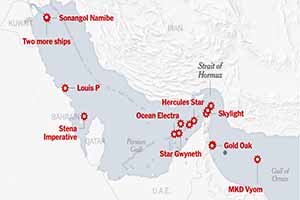
Following recent disruptions in the Strait of Hormuz and associated with the risks of reliance on a single transit corridor. By increasing imports of oil and gas from Russia Pakistan is seeking to diversify its energy supply. Islamabad is actively engaging with Russian authorities to facilitate future energy deliveries, stated by the Pakistan’s Ambassador to Moscow. During a regional crisis and the temporary closure of the Strait highlighted the need of alternative supply routes to ensure energy security for the global markets including Pakistan. The discussions on the formerly known as the North-South pipeline, now Pakistan Stream gas pipeline are ongoing. The project is designed to transport imported gas from southern ports to key demand centers in northern Pakistan and is considered a cornerstone of bilateral energy cooperation and a potential landmark initiative led to strengthen long-term economic ties between Pakistan and Russia.
|
Pakistan, Kuwait Explore Strategic Petroleum Storage Collaboration
As part of efforts to enhance bilateral cooperation in energy security and refining Pakistan and Kuwait have agreed to explore the development of strategic petroleum storage facilities in Pakistan. Both countries reviewed regional developments and discussed avenues to expand collaboration in the petroleum sector, with a particular focus on strengthening fuel reserves and refining capacity. The understanding was reached during a meeting in Islamabad between Federal Minister for Petroleum Ali Pervaiz Malik and Kuwait’s Ambassador Nassar Abdulrahman Jasser Almutairi. Pakistan acknowledged Kuwait’s timely support in facilitating the dispatch of the vessel Khairpur, the shipment, carrying approximately 45,000 tons of diesel and 10,000 tons of jet fuel which delivered emergency fuel supplies amid disruptions caused by the temporary closure of the Strait of Hormuz and ensure supply continuity during a period of uncertainty. Both countries reaffirmed their commitment to deepening bilateral ties and advancing new energy-sector initiatives.
|

Pakistan Diverts Gas to Fertilizer Sector Amid Supply Challenges
Pakistan has reallocated gas supplies to fertilizer manufacturers to safeguard agricultural output from residential and commercial users amid ongoing disruptions linked to the US-Iran conflict. The Senate Standing Committee on Petroleum is being informed by the Petroleum Minister Ali Pervaiz Malik that the decision was necessary due to constraints in importing DAP fertilizer, caused by shipping disruptions affecting global supply routes. Any shortage of urea could impact crop production while noting that the government is concurrently managing limited imports of key energy resources, including crude oil, LNG, LPG, petrol, and diesel. Lawmakers raised concerns regarding fuel pricing, taxes, and potential gains by oil marketing companies, prompting directives for a comprehensive audit. The committee also reviewed gas allocation, LPG pricing disparities, and the continued suspension of CNG in Khyber Pakhtunkhwa. Authorities confirmed the establishment of a multi-agency monitoring mechanism to oversee fuel stock levels and ensure supply stability amid ongoing market volatility.
|
Senate Orders Audit of Oil Marketing Companies Over Price Hike Gains
The Senate Standing Committee on Petroleum has directed authorities to conduct a comprehensive audit of oil marketing companies (OMCs) to assess potential financial gains arising from existing fuel inventories following the recent petroleum price increase. The committee, chaired by Senator Umer Farooq, raised concerns that OMCs may have benefited from lower-cost stock acquired prior to the adjustment. Federal Minister for Petroleum Ali Pervaiz Malik defended the price revision, stating it was necessary to ensure liquidity and operational stability for OMCs amid global market volatility. Officials also informed the committee of a multi-agency stock monitoring mechanism, comprising Ogra, FIA, and intelligence agencies, to review petroleum inventories on a fortnightly basis. The committee further reviewed LNG procurement, LPG pricing disparities, gas allocation issues, and supply disruptions. Lawmakers emphasized transparency, equitable distribution, and accountability, while directing regulatory authorities to address overpricing and submit detailed reports on enforcement and compliance.
|
Pakistan Reviews Duty Structure to Boost Industrial Competitiveness
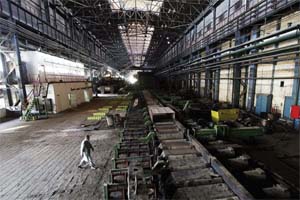
A delegation from National Steel Complex Limited met Federal Minister for Commerce Jam Kamal Khan to discuss challenges affecting industrial competitiveness, including tariff rationalization, value-added manufacturing, and operational constraints within the steel and engineering sectors. The delegation highlighted concerns regarding the existing duty structure on raw materials, intermediate goods, and products processed through Export Processing Zones (EPZs). Industry representatives noted that the current framework effectively results in double taxation, as duties are imposed both at the import stage and again when value-added products re-enter the tariff area. This has increased production costs, particularly for manufacturing activities involving machining, coating, and fabrication. They proposed revising the system so that duties apply only to incremental value addition within EPZs. The minister acknowledged these concerns and directed relevant authorities to engage stakeholders in developing practical, transparent solutions that support industrial growth while ensuring regulatory compliance and policy consistency.
|
|
© 2026 Alpine Marine Services Private Limited
all rights reserved
|
|
|