|
||||
Alpine Marine Services Pvt LtdPakistan Trade Bulletin Sustainability • Ports • Trade • Energy • Logistics • Policy |
||||
|
||||
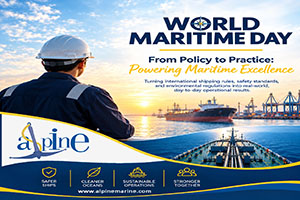 World Maritime Day 2026 – From Policy to Practice: Powering Maritime ExcellenceObserved on 24 September 2026, World Maritime Day highlights the active role of maritime safety, security, regulatory compliance, and robust shipping operations within mounting geopolitical uncertainties and interruptions to global trade. The 2026-2027 theme, “From Policy to Practice: Powering Maritime Excellence,” stresses the importance of altering international maritime regulations into tangible outcomes that boost the competence, safety, and sustainability of the shipping industry. The theme reflects the growing need for effective execution of International Maritime Organization (IMO) standards through state legislation, sturdier enforcement mechanisms, and heightened training programs. These efforts are envisioned to help countries to improve compliance with international maritime regulations and reinforce operational proficiencies. The observance comes at a time when merchant vessels face sensitive security risks in regions such as the Strait of Hormuz, the Black Sea, and the Sea of Azov. It highlights crucial priorities counting maritime security, digitalization, cybersecurity, climate resilience, decarbonization, and marine environmental protection, all of which are essential to accomplishing long-term maritime distinction and sustainable global trade. |
||||
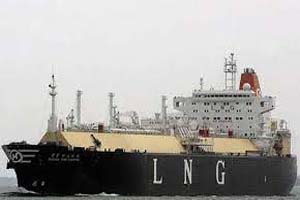 Government to Open Idle LNG Terminal Capacity to Power SectorAmid mounting electricity outages triggered by a scarcity of natural gas, the Government of Pakistan is considering reforms to permit power producers to import LNG directly by employing the unused capacity of the Pakistan’s LNG terminals. The anticipated amendment pursues to make idle terminal capacity available through a transparent auction mechanism rather than the current short-term allocation system. Factually, Pakistan LNG Limited (PLL) has controlled the allocation of this capacity but unable to fully utilize it, despite consumers continuing to bear substantial capacity charges. The initiative comes at a time when LNG supplies have been interrupted due to geopolitical tensions affecting regional shipping routes, consequential in reduced gas availability and higher import costs. The Petroleum Division has suggested that surplus regasification capacity be offered to interested parties for specified periods, subject to regulatory oversight. The change is predictable to improve energy security, encourage competition, optimize LNG infrastructure utilization, and help to address Pakistan’s fuel shortages and challenges related to power generation. |
||||
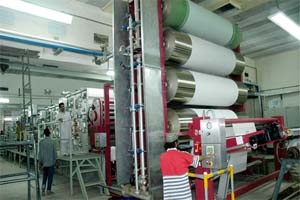 Strengthening Port Efficiency for Pakistan’s Textile Export GrowthFederal Minister for Maritime Affairs has emphasized the need for enhanced coordination among Customs authorities, port operators, exporters, shipping lines, and other stakeholders to improve the efficiency of Pakistan’s textile export supply chain. Chairing a high-level meeting on challenges faced by exporters, the minister stressed the importance of reducing cargo clearance delays, improving cargo handling processes, and ensuring more predictable transit times. The meeting brought together representatives from the textile industry, Customs, port authorities, government agencies, terminal operators, and shipping stakeholders to explore practical solutions for improving port operations and logistics. Exporters were urged to ensure timely submission of Goods Declarations (GDs) and the completion of all required documentation to avoid unnecessary delays. Discussions also highlighted the impact of disruptions on international shipping routes, particularly in the Red Sea region, which have contributed to extended transit times. The minister underscored the need for both immediate operational improvements and long-term enhancements in shipping connectivity to strengthen the global competitiveness of Pakistan’s textile exports. |
||||
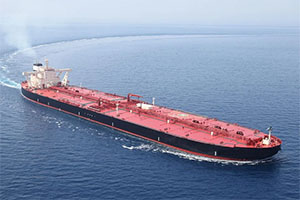 Shipowners Rush to Expand VLCC FleetsDisturbances in oil trade in the Middle East have triggered an upsurge in orders for Very Large Crude Carriers, as shipowners retort to mounting demand for long-haul crude transportation. In 2026, more than twice as many VLCCs have been ordered compared to the total placed during 2025, reflecting market confidence in sustained tanker demand. The growth is driven by disruptions in Gulf shipping routes, longer voyage distances, and the need to replace an ageing global tanker fleet. The Strait of Hormuz disruptions have provoked refiners in Asia and Europe to expand crude sourcing, increasing reliance on supplies from the Atlantic Basin and outspreading transportation routes. As a consequence, tanker demand and freight earnings have surged, with spot charter rates reaching extremely high levels. Strong market conditions have also boosted the value of existing vessels, making older tankers attractive. With many newbuild deliveries scheduled for 2029 and 2030, shipowners are positioning for continued growth in global crude transportation demand beyond the existing market challenges. |
||||
 Pakistan Invites Investment in Edible Oil Industrial City at Port QasimAs part of strategy to promote industrial growth, attract investment, improve exports, and support private-sector participation the Government of Pakistan has invited the edible oil and vanaspati industry to establish a steadfast Edible Oil Industrial City at Port Qasim. Addressing members of the Pakistan Vanaspati Manufacturers Association (PVMA), the Minister assured government support in developing the proposed industrial zone and providing the necessary infrastructure and facilities. The initiative forms a wide-ranging plan to transform Port Qasim into a major industrial and commercial hub by encouraging manufacturing and export-oriented enterprises. The edible oil sector is a noteworthy contributor to national revenue through customs duties and sales taxes generated from imports. To address water shortages faced by industries at the port, the launch of a seawater treatment plant was projected through a public-private partnership with PVMA. The project is likely to improve industrial sustainability, support business expansion, and facilitate long-term economic development at Port Qasim. |
||||
 IMO R&D Forum Focuses on Safe Maritime Energy TransitionAfter two days of discussions on the challenges and opportunities ascending from the maritime industry's transition to alternative fuels, The IMO Research and Development Forum concluded in Singapore. Under the theme, “From Fossil to Future: Marine Pollution Preparedness in the Age of Alternative Fuels,” the event brought together regulators, researchers, industry leaders, and emergency response specialists to examine emerging environmental and safety risks associated with cleaner marine fuels. Participants evaluated preparedness and response requirements for LNG, LPG, methanol, ammonia, hydrogen, biofuels, and e-fuels, focusing on how their unique properties could influence pollution incidents and emergency management strategies. Key discussions covered spill behavior, risk assessment, response planning, post-incident actions, and international cooperation. Through expert presentations, case studies, and interactive sessions, attendees exchanged research findings and operational experiences to support future response frameworks. A major outcome of the forum was the recognition that stronger collaboration among governments, industry, academia, and scientific organizations is indispensable to address knowledge gaps and improve pollution preparedness as the shipping sector adopts alternative fuels. |
||||
 Pakistan Plans 100-Acre Mariculture Investment Estate at Korangi HarbourFederal Minister for Maritime Affairs Muhammad Junaid Anwar Chaudhry has unveiled plans to develop a 100-acre Mariculture Investment and Development Estate (MIDE) at the Korangi Fisheries Harbour Authority (KoFHA). The project is designed as a comprehensive hub that will bring together mariculture and aquaculture activities, supported by hatcheries, research and innovation centers, seafood processing and value-addition facilities, cold storage infrastructure, and commercial services within an integrated framework. The proposed estate aims to strengthen Pakistan’s blue economy by promoting sustainable marine farming and enhancing seafood production. Under the master plan, the development will comprise four key zones: a 30-acre mariculture area, a 20-acre hatchery complex, a 20-acre aquaculture research park, and a 20-acre commercial district. Supporting infrastructure will include internal road networks, power and renewable energy systems, water supply and treatment facilities, wastewater management, advanced ICT and smart-estate solutions, security and surveillance systems, as well as landscaped green spaces. The initiative is expected to attract investment, foster innovation, and boost the fisheries sector. |
||||
 Rising Shipping Costs Reshape Global Oil Trade FlowsA global shortage of supertankers is driving freight rates to unprecedented levels, significantly increasing the cost of transporting crude oil and reshaping international trade flows. The shortage of Very Large Crude Carriers (VLCCs) has made long-distance oil shipments less economical, prompting traders and refiners to reassess their sourcing strategies. As transportation costs surge, the impact extends beyond VLCCs to smaller Aframax and Suezmax vessels, which are also experiencing heightened demand and rising charter rates. Freight expenses, once considered a secondary component of crude pricing, have now become a critical factor influencing buying decisions and trade economics. Refiners in Asia and Europe are particularly affected, as elevated shipping costs are reducing the competitiveness of crude supplies from distant producers. Consequently, buyers are increasingly favoring closer sources to control logistics expenses and protect margins. The evolving market dynamics are altering traditional trading patterns, influencing vessel demand, cargo bookings, and the overall economics of global crude oil transportation. |
||||
 |
||||
|
SHIP AGENCY - NVOCC - PORT OPERATIONS - TERMINAL OPERATIONS
Karachi - Port Qasim - Gwadar - Gadani
|
||||
| This bulletin is produced by Alpine Marine Services Private Limited for the exclusive use of our principals and business partners. Information is sourced from public maritime intelligence, government announcements, and industry reporting. This is not investment or legal advice. © Alpine Marine Services Private Limited 2026. All rights reserved. |