|
||||
Alpine Marine Services Pvt LtdPakistan Trade Bulletin Sustainability • Ports • Trade • Energy • Logistics • Policy |
||||
|
||||
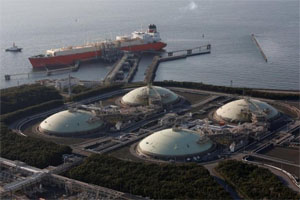 Energas LNG Terminal Project Shelved Amid Policy ShiftsThe consortium led by QatarEnergy and its local partner Energas, behind a proposed LNG import terminal, has officially specified that the development is no longer economically viable. In communication with the Prime Minister Pakistan, Energas attributed the decision to major shifts in Pakistan's energy landscape has been withdrawn, along with unsettled regulatory and infrastructure challenges that persisted despite previous government assurances. According to the company, exertions to grasp a Final Investment Decision were repetitively delayed due to outstanding issues related to pipeline capacity, transportation arrangements, regulatory approvals, and fiscal incentives. The development's outlook further faded after the government's 2025 Integrated Energy Study concluded that no additional LNG import terminals would be needed in the country over the next five years. The consortium also articulated concern over the removal of tax incentives for new LNG terminals, noting that these benefits were available when the project was initially granted but were later discontinued for new developments. Although QatarEnergy had dedicated to providing LNG supplies at competitive pricing, changing demand forecasts and policy priorities contracted the project's commercial appeal. In the meantime, Port Qasim Authority (PQA) rejected claims regarding concession fee obligations, preserving that the developer had unsuccessful to meet conditions outlined under the applicable project guidelines. The Port Qasim Authority further highlighted that securing technical approvals, financing, infrastructure arrangements, and other regulatory requirements remained the responsibility of the project sponsors throughout the development process. |
||||
 World Bank Forecasts Sharp Rise in Global Wheat PricesGlobal wheat prices are predictable to increase extensively over the next two years as current disruptions in the Black Sea region and adverse weather conditions constrain global supplies. According to the latest World Bank Commodity Markets Outlook, benchmark U.S. hard red winter wheat prices are anticipated to average $311 per metric ton in 2026, up from $243 per metric ton in 2025, indicating a 28% increase. Prices are estimated to hike further in 2027 before easing slightly the following year. The outlook reflects increasing concerns over grain exports from the Black Sea, where attacks on shipping routes and port infrastructure have interrupted global trade flows. As Russia and Ukraine account for nearly one-third of global wheat exports, any disturbance in shipments from the region has a substantial impact on trade and world markets. The World Bank also supposes international wheat production to decline by 3% during the 2026-27 season, with severe heat and drought affecting crop yields in key producing regions, predominantly the European Union. Even though better-quality harvests in Russia and Ukraine may partially counterbalance losses elsewhere, weather-related risks, including a strong El Niño, continue to threaten agricultural output. The combination of geopolitical tensions, narrowing supplies, and climate-related trails and challenges are expected to keep international food prices under mounting pressure, hovering concerns for food-importing economies internationally. |
||||
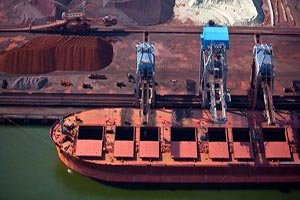 BIMCO Urges Practical Solutions for Dry Bulk Shipping RisksIn the latest meeting, the BIMCO Dry Bulk Cargo Network recognized three major safety concerns affecting the dry bulk shipping sector: fire risks associated with scrap metal cargoes, the increasing transfer of fumigation responsibilities to vessel crews, and continuing fatalities in enclosed spaces. Members highlighted the necessity for improved cargo information, sturdier contractual safeguards, and improved crew protection measures. Discussions accentuated mounting concerns over contaminated scrap metal cargoes, where the presence of plastics, tyres, oils, and other combustible materials can intensify the risk of self-heating and onboard fires. Many participants supported amendments to both charter party clauses and cargo handling guidelines and procedures to better address all mentioned hazards. The network also examined fumigation practices that emerged during the COVID-19 pandemic, when travel restrictions often prohibited specialist contractors from boarding vessels. As an outcome, crews were sometimes required to undertake fumigation-related responsibilities regardless of limited training, raising noteworthy safety concerns. Furthermore, enclosed space accidents remain a determined challenge despite better awareness and improved monitoring equipment. The industry remains to seek practical solutions, enhanced and updated training, and sturdier safety procedures to diminish incidents and safeguard seafarers. |
||||
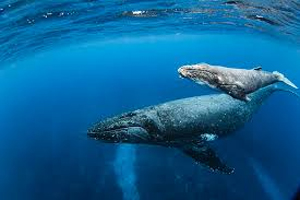 Mass Dolphin Sighting Highlights Pakistan’s Rich Marine BiodiversityAn extraordinary sighting of more than 500 commonly known as the Indo-Pacific bottlenose dolphin (Tursiops aduncus), has been recorded in the coastal waters of Gwadar, reflecting and encouraging indication of environmentally protected and sustained with the biodiversity of of Pakistan’s marine ecosystem. Marine professionals and expert describe the species as a regular inhabitant of the coastal waters along Balochistan and the wider Arabian Sea. The existence of such a large group is considered a positive sign for the region’s marine biodiversity, reflecting favorable environment and the accessibility of appropriate habitats for marine life. Pakistan’s shoreline supports a wide range of marine species, including dolphins, whales, turtles, and other aquatic wildlife that play a critical role in maintaining ecological balance. The protection and conservation of these species remain indispensable for the long-term sustainability of the country’s marine environment. WWF-Pakistan continues to collaborate with local fishing communities and relevant stakeholders to reinforce marine conservation efforts and encourage sustainable practices. According to the organization, Pakistan’s coastal waters are home to 26 species of different marine mammals, accentuating the position of continuing initiatives intended at preserving the Pakistan’s rich marine biodiversity and coastal ecosystems. |
||||
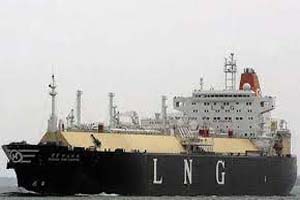 US Firms Eye Pakistan’s LNG Market for Long-Term Energy PartnershipsSeveral American energy companies have expressed interest in supplying liquefied natural gas to Pakistan, gesturing rising cooperation and collaboration between Islamabad and Washington in addressing long-term energy security challenges. The interest was emphasized during a meeting in Islamabad between the Federal Minister for Petroleum and the US Chargé d’Affaires. During the discussions, representatives from Pakistan State Oil and Pakistan LNG Limited briefed participants on emerging opportunities for US firms within Pakistan’s LNG market. The US side reaffirmed willingness to provision Pakistan’s energy requirements while encouraging greater participation by American companies in the Pakistan’s energy sector. Officials expressed optimism regarding potential for long-term LNG supply arrangements that could benefit both countries through enhanced energy cooperation and commercial engagement. The minister outlined the challenges facing Pakistan’s energy sector amid ongoing geopolitical uncertainty and conflict in the Middle East, stressing the importance of ensuring uninterrupted fuel supplies. Discussions further covered investment opportunities in Pakistan’s refinery modernization program, which could attract participation from US financial institutions and investors. Both sides highlighted escalating cooperation beyond immediate energy needs, while also exploring opportunities in the minerals sector through the upcoming Pakistan Minerals Investment Forum. Any future LNG supply agreements or refinery investments will depend on commercial negotiations and discussions between the relevant companies. |
||||
 KPT, PQA and PNSC Secure Positions in Top 10 Profitable SOEsThree organizations operating under the Ministry of Maritime Affairs, namely Karachi Port Trust, Port Qasim Authority, and Pakistan National Shipping Corporation, have held places among Pakistan’s ten most profitable state-owned enterprises for FY2024-25. According to the Federal State-Owned Enterprises Annual Aggregate Report, KPT ranked sixth, PQA seventh, and PNSC tenth among the country’s highest-performing SOEs. As main pillars of Pakistan’s maritime sector, KPT and PQA oversee major port operations, while PNSC serves as the national shipping carrier. Together, these organizations show a dynamic role in enabling cargo movement, supporting international trade, and strengthening maritime connectivity. Federal Minister for Maritime Affairs, accredited the accomplishment to the dedication of the management teams and employees of the three organizations, supported by the strategic oversight of the Ministry. Federal Minister for Maritime Affairs noted that the strong rankings reflect the growing contribution of Pakistan’s maritime institutions to the national economy through sound financial management, enhanced operational efficiency, and effective resource utilization. The minister further stressed the necessity to sustain the momentum through improved governance, institutional accountability, and continuous operational reforms to further strengthen Pakistan’s maritime sector and economic growth. |
||||
 Trade and Investment Take Center Stage in DohaOn the sidelines of the World Investment Forum 2026 in Doha, Federal Minister for Commerce of Pakistan grasped a series of high-level meetings meant at strengthening Pakistan's international trade relations, attracting foreign investment, and promoting regional economic integration. Discussions with the Secretary-General of the D-8 Organization for Economic Cooperation, senior Qatari officials, and leading business representatives focused on further escalating bilateral and multilateral trade, refining market access, and encouraging private-sector collaboration. Particular stress was placed on enhancing cooperation in agriculture, food security, industrial development, tourism, and investment. During talks with D-8 leadership, both sides highlighted the importance of implementing the D-8 Preferential Trade Agreement and advancing the bloc's target of achieving $500 billion in intra-member trade by 2030. Meetings with Qatari stakeholders discovered opportunities with prospects to further deepen commercial partnerships, strengthen supply chains, and facilitate investment across strategic sectors. Reaffirming Pakistan's commitment to regional connectivity and economic collaboration and cooperation, the minister emphasized translating existing cooperation frameworks into tangible business opportunities that support sustainable growth, trade expansion, and long-term economic development. |
||||
 Pakistani Exporters Call for Competitive Trade AgreementsAt a high-level conference chaired by Federal Minister for Commerce, Pakistani exporters advised the government to pursue robust bilateral and regional trade agreements to aid local businesses compete more effectively with rivals such as India and Bangladesh, which benefit from preferential market access in several international markets. Representatives from chief export-oriented sectors emphasized mounting concerns over rising energy tariffs, the captive power gas levy, taxation burdens, delayed refund payments, banking restrictions, and increasing production costs that are affecting the competitiveness of Pakistani products abroad. Exporters also pointed to international shipping disruptions, freight challenges, and payment settlement issues that have complicated trade operations and reduced profitability. Participants called for improved trade arrangements, enhanced market access, and policy reforms to support export growth. Business representatives welcomed the Export-Import Bank of Pakistan financing scheme, unfolding it as a positive step towards refining access to export credit. The meeting concluded with a commitment from the government to compile industry concerns and develop actionable recommendations aimed at boosting exports, strengthening industrial competitiveness, and expanding Pakistan’s presence in global markets. |
||||
 |
||||
|
SHIP AGENCY - NVOCC - PORT OPERATIONS - TERMINAL OPERATIONS
Karachi - Port Qasim - Gwadar - Gadani
|
||||
| This bulletin is produced by Alpine Marine Services Private Limited for the exclusive use of our principals and business partners. Information is sourced from public maritime intelligence, government announcements, and industry reporting. This is not investment or legal advice. © Alpine Marine Services Private Limited 2026. All rights reserved. |